Preserving Nature's Legacy
From endangered species to vital habitats, WACN works with partners to protect ecosystems and strengthen communities — get involved today.
Mission Statement
WACN’s mission is to secure, protect, and restore threatened wilderness areas — including ecosystems that remain ecologically intact but lack the protection, resources, and governance required to guarantee their long-term survival.
Working through formal partnerships with government authorities, WACN stabilises landscapes through security and management interventions, restores degraded ecosystems, and reintroduces species lost to human pressure — ensuring that biodiversity, ecological function, and community benefits are sustained for future generations.
Our Plans
WACN’s plans focus on long-term, government-partnered interventions that stabilise wilderness areas before they are lost. This includes securing legal mandates, strengthening on-the-ground protection and management, restoring degraded habitats where necessary, and supporting the recovery or reintroduction of indigenous wildlife once conditions allow. Our approach prioritises durability, accountability, and measurable ecological and social outcomes.
Wildlife Conservation
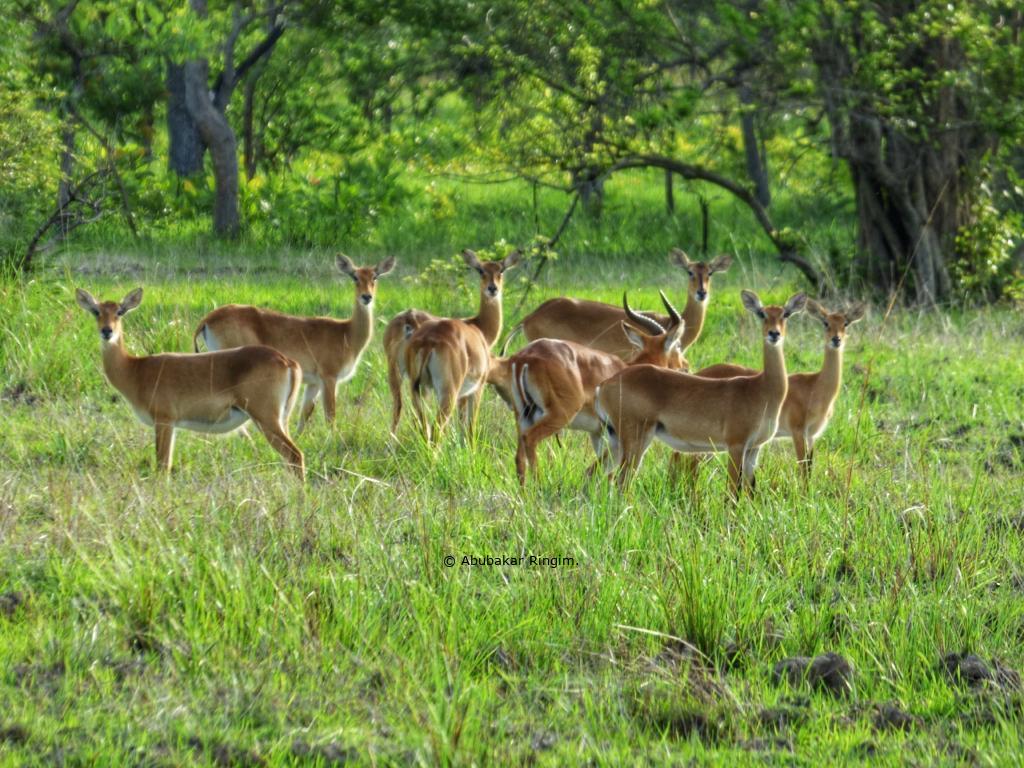
At WACN, our work focuses on the restoration and long-term protection of indigenous wildlife species as a foundation for resilient ecosystems. Healthy, well-managed wildlife populations play a critical role in maintaining ecological balance, supporting natural climate regulation processes, and preserving biodiversity.
Through science-led conservation, effective protected area management, and strong governance frameworks, we demonstrate that conserving indigenous wildlife is not only an environmental imperative but also a driver of sustainable development. When wilderness areas are properly managed and secured, they contribute directly to improved livelihoods, economic opportunities, and long-term socioeconomic resilience for surrounding rural communities.
Socioeconomic Development for Neighboring Communities
WACN operates on the principle that effective conservation is inseparable from the wellbeing of neighboring communities. In the modern context, wilderness areas cannot be sustainably protected without the active participation, trust, and long-term support of the people who live alongside them.
For this reason, all WACN projects are designed to deliver tangible, sustainable socioeconomic benefits to surrounding communities. These benefits are not treated as optional add-ons, but as core components of project success—contributing to local livelihoods, strengthening community resilience, and reinforcing shared responsibility for the protection of natural landscapes.
Financial Sustenance
Long-term conservation success depends on financial resilience. WACN therefore prioritises the development of projects that are capable of sustaining core operations beyond short-term grant cycles.
Our approach emphasises diversified revenue generation, including ecotourism and other compatible income streams, with revenues reinvested directly into conservation management, community development, and institutional capacity. By embedding financial sustainability into project design from the outset, we aim to build conservation models that are durable, scalable, and capable of delivering lasting impact.
Our Esteemed Partners






Community Relations
West African Conservation Network (WACN) places local communities at the centre of effective and lasting conservation. Strong relationships with communities neighbouring protected areas are essential to improving ecological outcomes, strengthening security, and ensuring long-term sustainability.
At both Kainji Lake National Park and Sumu Wildlife Park, WACN works to align conservation goals with community wellbeing through targeted programmes that support education, primary healthcare access, livelihood opportunities, and community participation in conservation.
In areas facing complex security and economic challenges, particularly around Kainji Lake National Park, WACN’s community engagement approach prioritises dialogue, trust-building, employment pathways, and collaboration with relevant authorities to promote stability and shared stewardship of natural resources.
Community outreach and engagement activities are being implemented in phases, alongside ranger deployment, infrastructure rehabilitation, and ecological restoration efforts. These programmes are designed to deliver practical benefits while fostering long-term cooperation between protected areas and neighbouring communities.
Ecotourism the WACN Way
- safety and operational readiness,
- environmental integrity
- community participation and employment
- and realistic, phased growth rather than premature visitor pressure
WACN Guardians of Nature Program
Join the WACN Guardians of Nature Program — a movement restoring life, security, and hope across Nigeria’s most threatened landscapes. Your monthly support powers rangers, protects wildlife, rebuilds habitats, and uplifts communities.