Key Species & Restoration Priorities

West African Conservation Network (WACN) focuses on wildlife species that are historically native, ecologically decisive, and central to long-term conservation and restoration outcomes within its mandate landscapes.
 
This page distinguishes clearly between:

1. Flagship & Critically Threatened Species

Emblematic species whose survival justifies urgent protection.

2. Restoration-Critical Species

Species essential for rebuilding functional ecosystems, even if not emblematic.

3. Historically Native but Locally Extinct Species

Species whose loss defines past ecosystem collapse.

4. Long-Term Reintroduction & Megafauna Vision

Ambitious but scientifically grounded future restoration goals.

This transparent structure reflects WACN’s commitment to accuracy, credibility, and phased conservation planning.

Kainji Lake National Park

Flagship & Critically Threatened Species
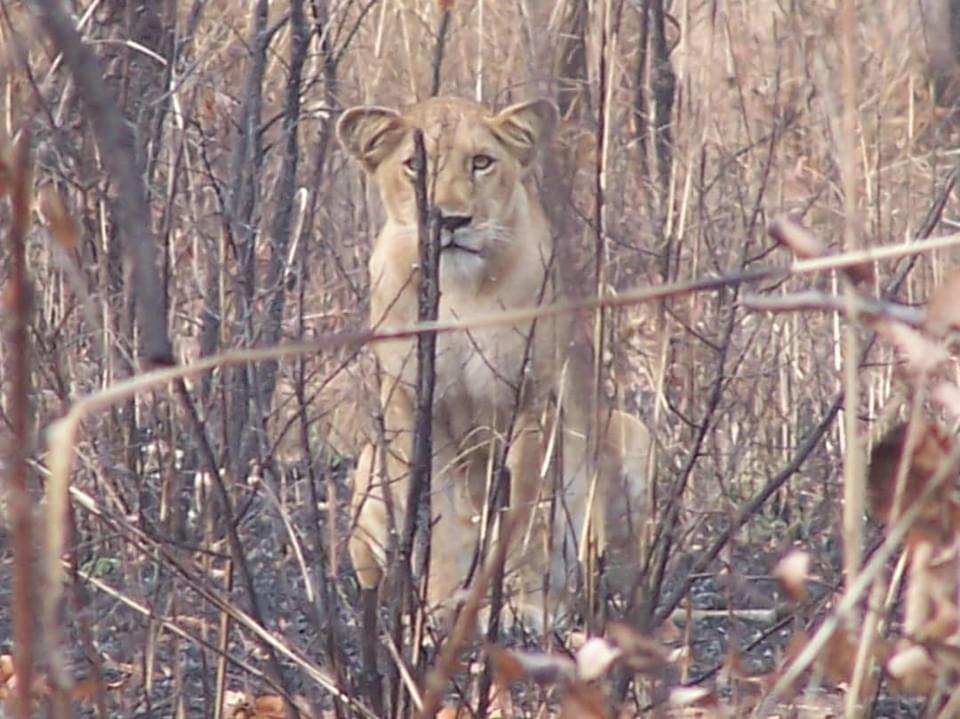
Photo Credit: Nigeria National Park Service

West African lion

Panthera leo leo

Nigeria’s last remaining lion population. Critically endangered and restricted to a very small remnant population in the Borgu sector of Kainji Lake National Park. The survival of this species underpins both the ecological integrity and national significance of Kainji.

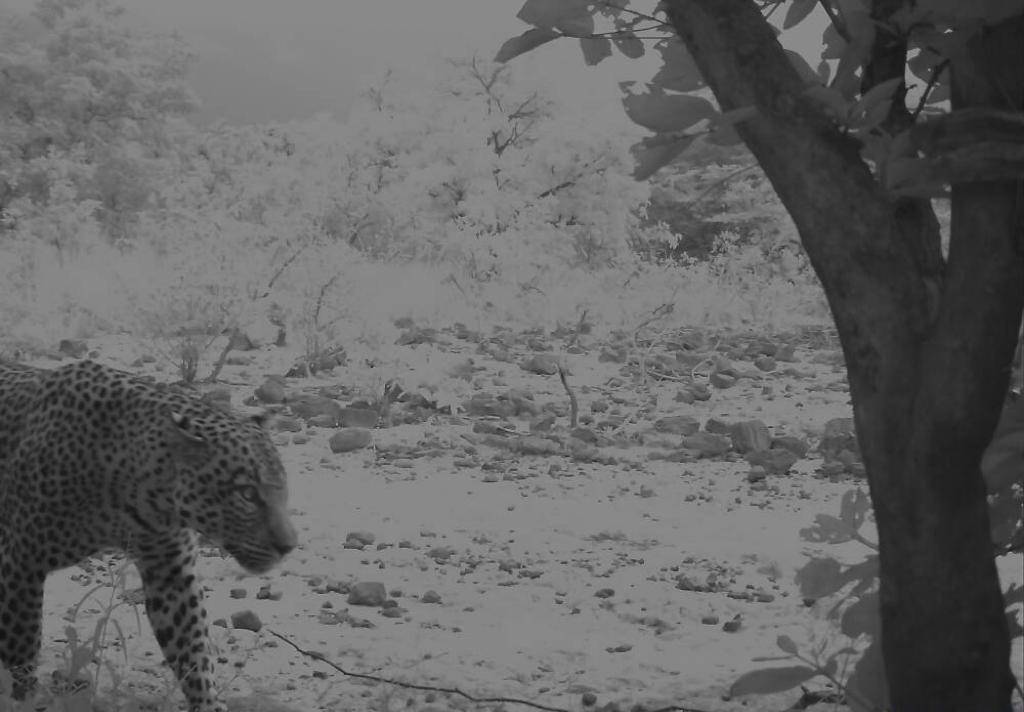
Male Leopard
Photo credit : © Wildlife Conservation Society Nigeria

Leopard

Panthera pardus pardus

A rare and elusive large carnivore persisting at very low densities, threatened by habitat loss, prey depletion, and illegal killing.

These species are not emblematic but are essential for maintaining savanna structure and ecological function.

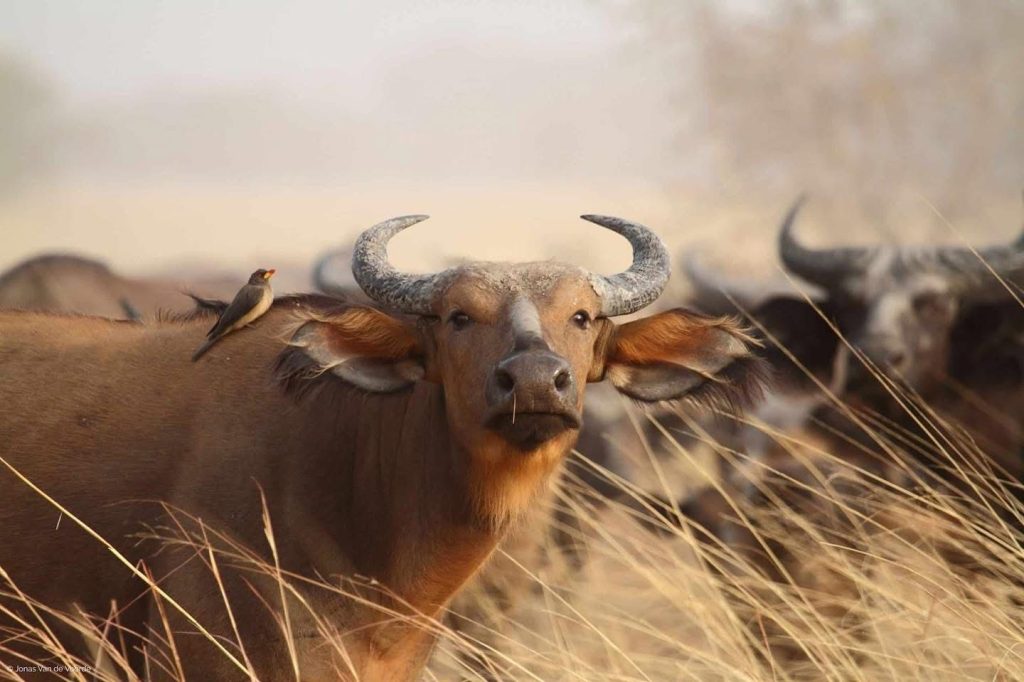
West African savanna buffalo (Syncerus caffer brachyceros)

West African Savanna Buffalo

Syncerus caffer brachyceros

A keystone grazer whose presence shapes vegetation dynamics and supports broader biodiversity.

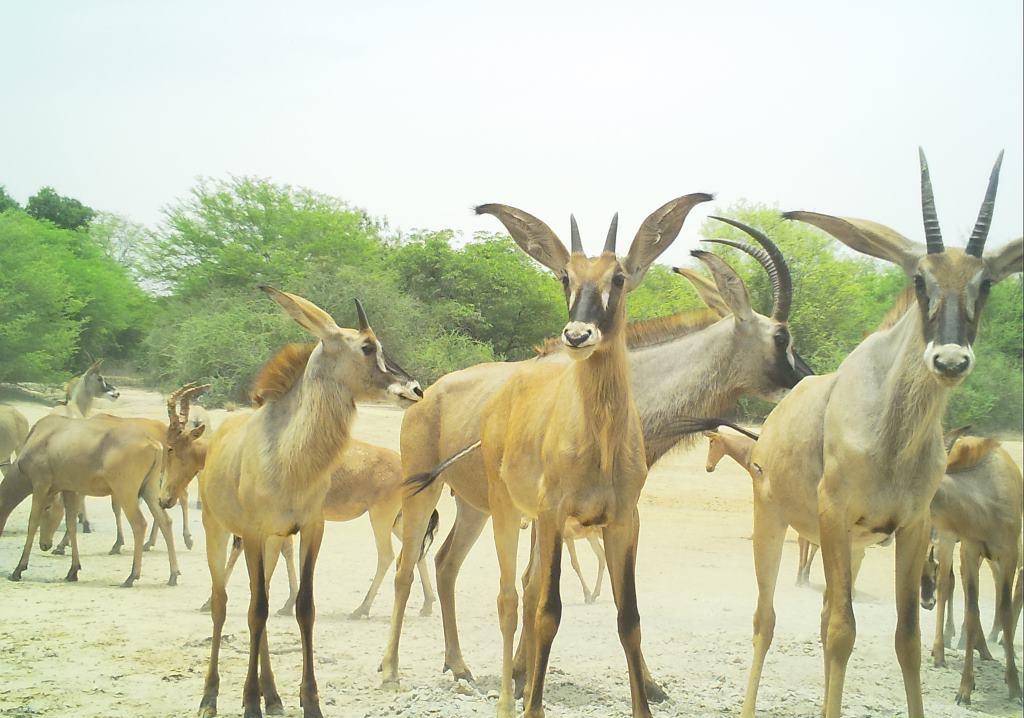
Roan Antelopes
Photo credit : © Wildlife Conservation Society Nigeria

Roan antelope

Hippotragus equinus

An indicator of intact savanna habitat and ecosystem resilience.

These species are listed to reflect documented historical loss and inform long-term recovery thinking.

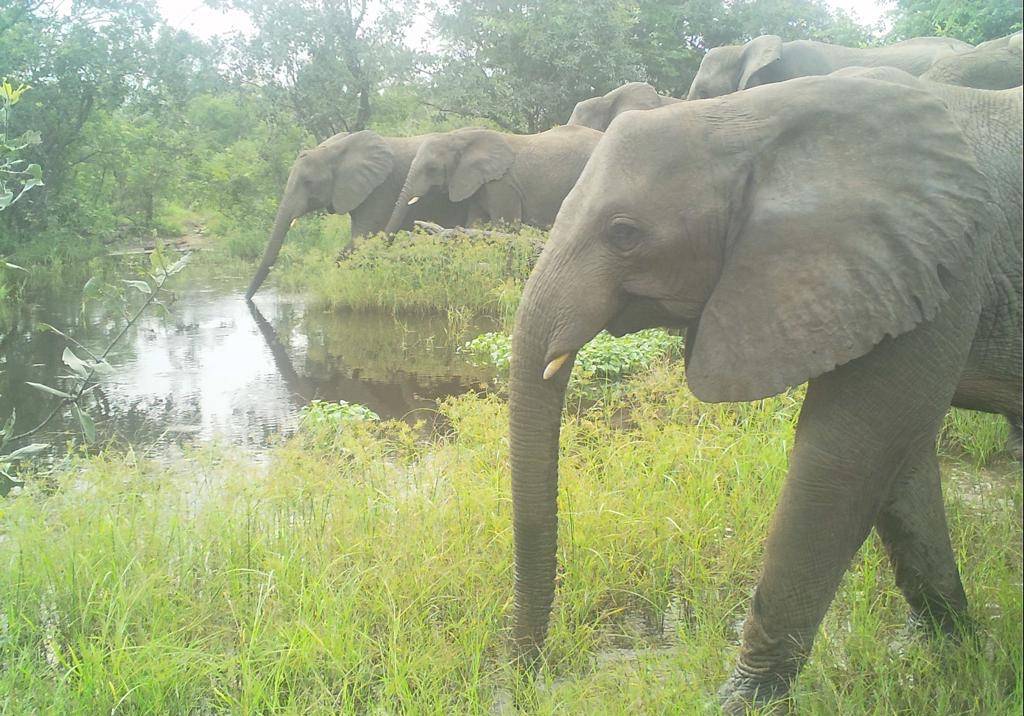
A herd of forest elephants (Loxodonta cyclotis) deep in Nigeria’s largest remaining rainforest block which partly lies in the Cross River National Park.
Photo credit : © Wildlife Conservation Society Nigeria

African elephant

Loxodonta africana

Historically present at Kainji but now locally extinct or functionally absent.

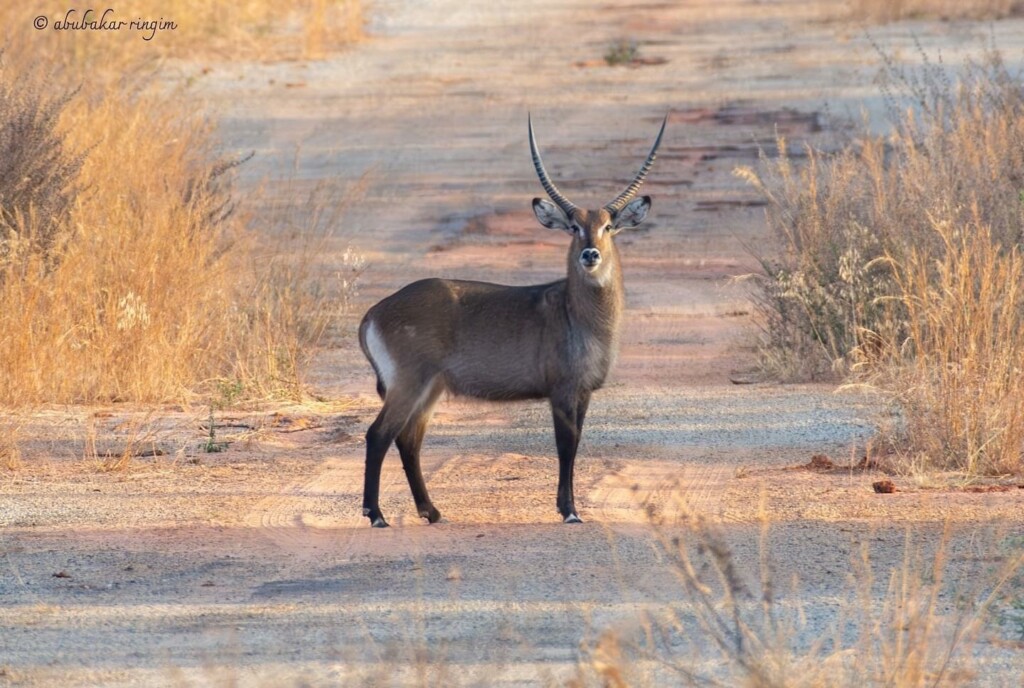
Adult male defassa waterbuck
Photo credit : © Abubakar Ringim

Waterbuck

Kobus ellipsiprymnus defassa

Historically present; now locally extinct.

Cheetah

Acinonyx jubatus

Historically native to Nigeria’s savanna and forest–savanna mosaic landscapes, the cheetah once occurred across large parts of northern and central Nigeria. Today, the species is considered locally extinct in the country, following decades of habitat loss, prey depletion, and persecution.

Historical evidence — including museum specimens, archival records, and regional range maps — confirms that cheetahs persisted in Nigeria until relatively recent decades. While scientific discussion continues regarding the precise subspecies boundaries across West and Central Africa, there is no dispute that cheetahs formed part of Nigeria’s original large-carnivore assemblage.

WACN’s approach is phased and restoration-led. Priority actions focus on rebuilding secure habitat, restoring prey populations, strengthening ranger presence, and establishing long-term ecological resilience at Sumu Wildlife Park and Kainji Lake National Park. Clarifying historical subspecies identity — including potential genetic analysis of archived specimens — can be pursued in parallel, without delaying ecosystem recovery.

Cheetah restoration remains a long-term, evidence-based objective, contingent on ecological readiness, security conditions, and stakeholder alignment. By rebuilding functional savanna ecosystems first, WACN keeps the return of Nigeria’s fastest land mammal a realistic and responsible future possibility.

Sumu Wildlife Park

Sumu Wildlife Park represents a restoration-focused conservation landscape where WACN is rebuilding ecological integrity following historical wildlife loss. The park is being developed as a controlled, phased restoration system capable of supporting progressively more complex wildlife assemblages.

Restoration-Critical Species (Foundation for Ecosystem Recovery)
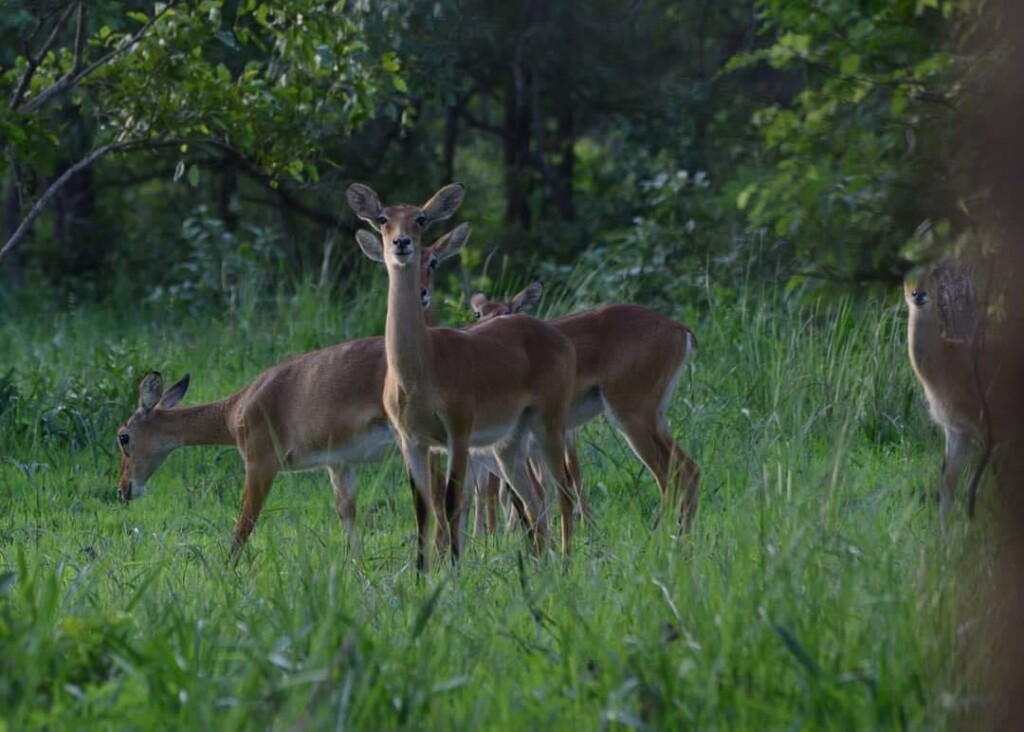
These species are not emblematic, but are programme-critical for rebuilding a functional savanna ecosystem and supporting future trophic recovery.

Roan Antelopes
Photo credit : © Abubakar Ringim

Roan antelope

Hippotragus equinus

A cornerstone herbivore for savanna restoration and habitat structure.

Buffon’s kob (Kobus kob kob) at Kainji Lake National Park (photo credit - Abubakar Ringim).
Photo credit : © Abubakar Ringim

Kob

Kobus kob

A historically native antelope that has disappeared from Bauchi State. Kob plays an important role as a grazing species and as part of the prey base required for long-term ecosystem recovery. Its restoration at Sumu is a foundational step toward rebuilding a functional savanna system.

Bushbuck

Tragelaphus scriptus

Contributes to habitat diversity and woodland structure.

The following species are not currently present and are listed as future restoration priorities, subject to habitat readiness, security conditions, and regulatory approval.

West African savanna buffalo (Syncerus caffer brachyceros)

West African savanna buffalo

Syncerus caffer brachyceros

Planned for future phases to strengthen grazing systems and ecosystem function.

A herd of forest elephants (Loxodonta cyclotis) deep in Nigeria’s largest remaining rainforest block which partly lies in the Cross River National Park.
Photo credit : © Wildlife Conservation Society Nigeria

African elephant

Loxodonta africana

Historically present in the wider region. Any future restoration would require landscape-scale planning, human–wildlife coexistence strategies, and long-term security stability.

Long-Term Megafauna & Species Reintroduction Vision

Beyond current restoration phases, WACN is developing a long-term vision to restore a complete and functional West African savanna megafauna assemblage, guided by historical evidence, ecological feasibility, and international best practice.

West African savanna buffalo (Syncerus caffer brachyceros)

West African savanna buffalo

Syncerus caffer brachyceros

Planned for future phases to strengthen grazing systems and ecosystem function.

Additional Long-Term Savanna Restoration Candidates

The following species historically occurred within northern Nigeria and are being assessed through historical range review and ecological feasibility studies, particularly in relation to Sumu Wildlife Park:

Inclusion of these species in future restoration planning will depend on confirmed historical occurrence, habitat suitability, and long-term management capacity.

A Phased and Responsible Approach

WACN distinguishes clearly between:

Our conservation model prioritises security, habitat recovery, prey-base restoration, and community engagement before any large-scale megafauna recovery. This phased approach ensures that restoration ambitions remain scientifically grounded, socially responsible, and ecologically sustainable.