
WACN Kainji Lake National Park Project
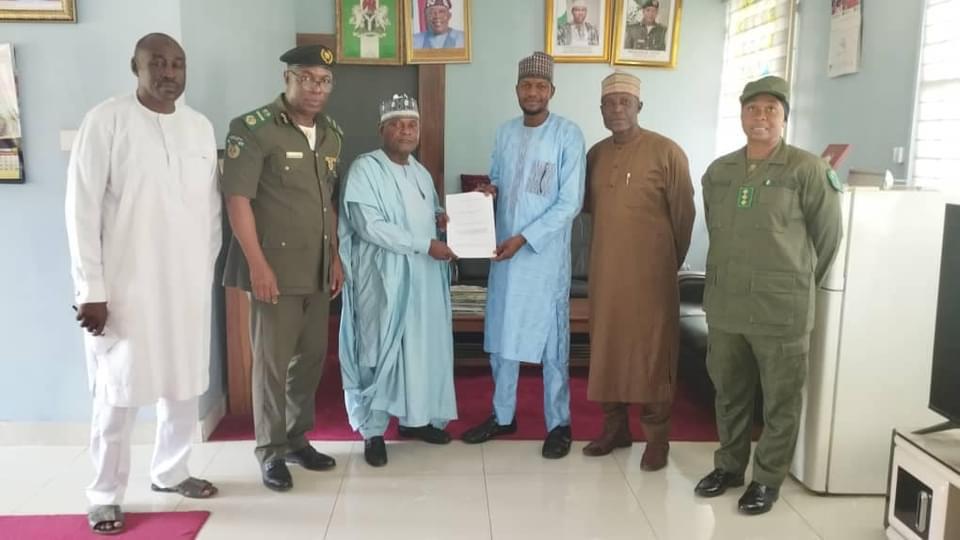
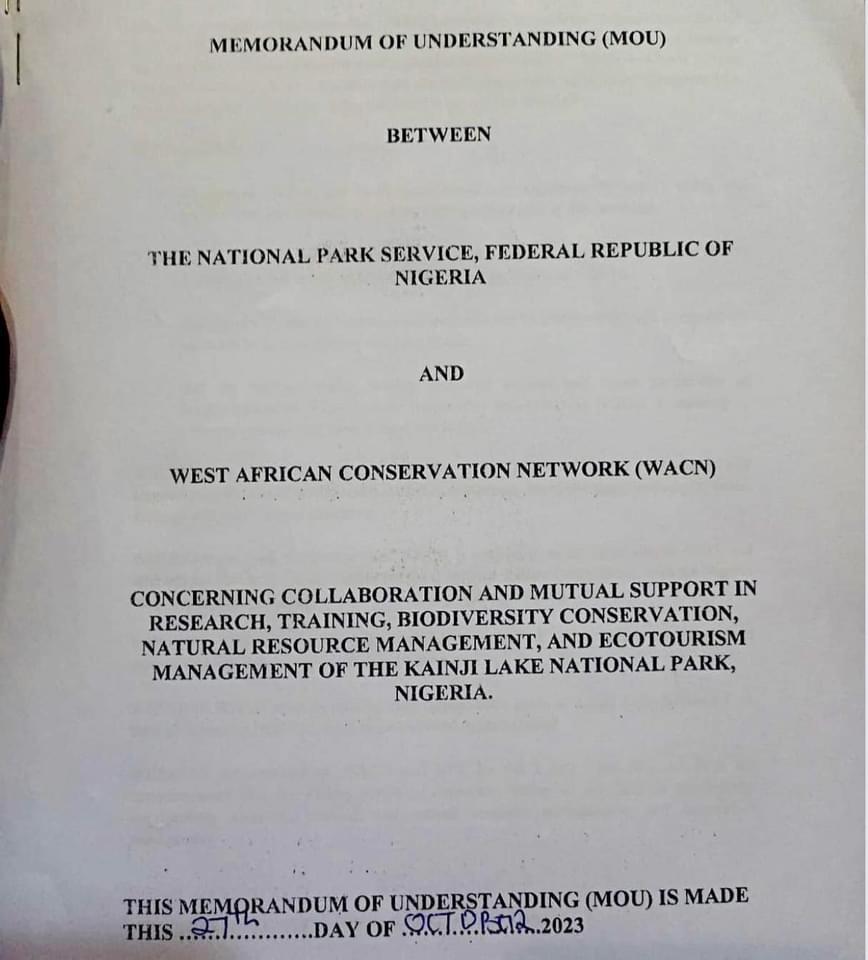
In October 2023, West African Conservation Network (WACN) entered into a 31-year Memorandum of Understanding with the Nigeria National Park Service to support the long-term protection, restoration, and security of Kainji Lake National Park, one of Nigeria’s most important and historically significant protected areas.
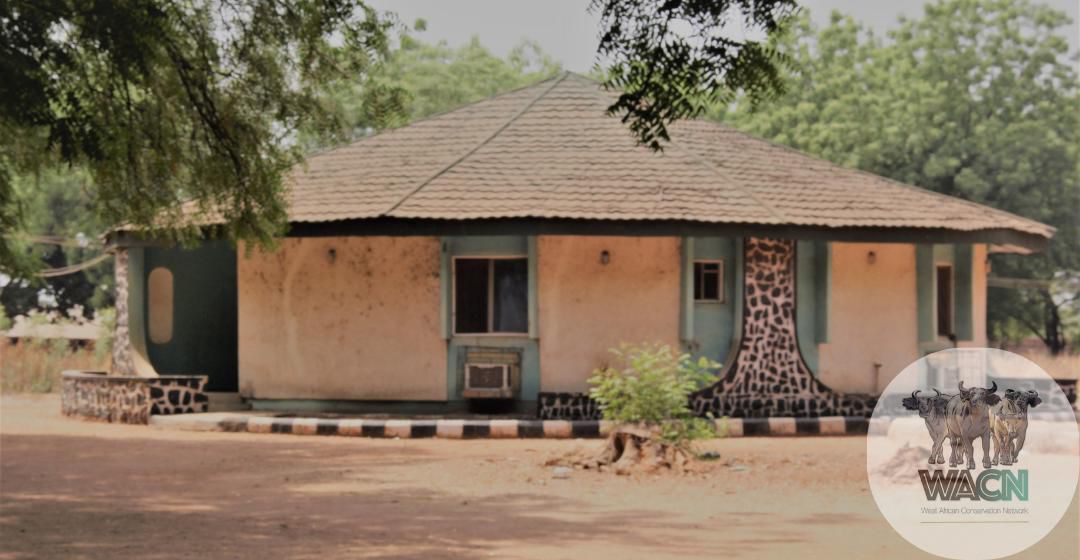
Kainji Lake National Park spans the Borgu and Zugurma sectors and represents a critical stronghold for Nigeria’s remaining savanna biodiversity. Despite its ecological importance, the park has faced decades of pressure from insecurity, illegal hunting, habitat degradation, and limited operational capacity.
Through this partnership, WACN works in support of the National Park Service and the Federal Government of Nigeria, focusing on practical, on-the-ground interventions that strengthen protection while laying the foundations for long-term ecological recovery.
Project Focus Areas
WACN’s work at Kainji Lake National Park is structured around four interconnected priorities:
1. Security & Protection
Supporting ranger capacity, patrol effectiveness, and operational readiness to address poaching, illegal activities, and broader security threats affecting the park.
2. Wildlife Monitoring & Recovery
Deploying camera traps and field monitoring systems to establish reliable baseline data, track surviving wildlife populations, and guide evidence-based conservation actions.
3. Habitat & Ecosystem Restoration
Stabilising degraded habitats, protecting remaining ecological integrity, and creating conditions necessary for the gradual recovery of key species and ecological processes.
4. Community Engagement
Working with surrounding communities to build trust, reduce conflict, and align local livelihoods with long-term conservation and park security objectives.
Long-Term Vision
WACN’s approach at Kainji is phased and realistic. Immediate priorities focus on security, monitoring, and stabilisation. As conditions improve, the project aims to support broader ecosystem recovery, including the long-term restoration of historically native species and the eventual revival of conservation-led tourism once safety and infrastructure allow.
Kainji Lake National Park remains a national asset of strategic importance. Through sustained partnership, measured investment, and strong governance, WACN is committed to helping secure the park’s future for wildlife, local communities, and Nigeria as a whole.
Patience Ashiba
WACN Kainji Lake National Park Project
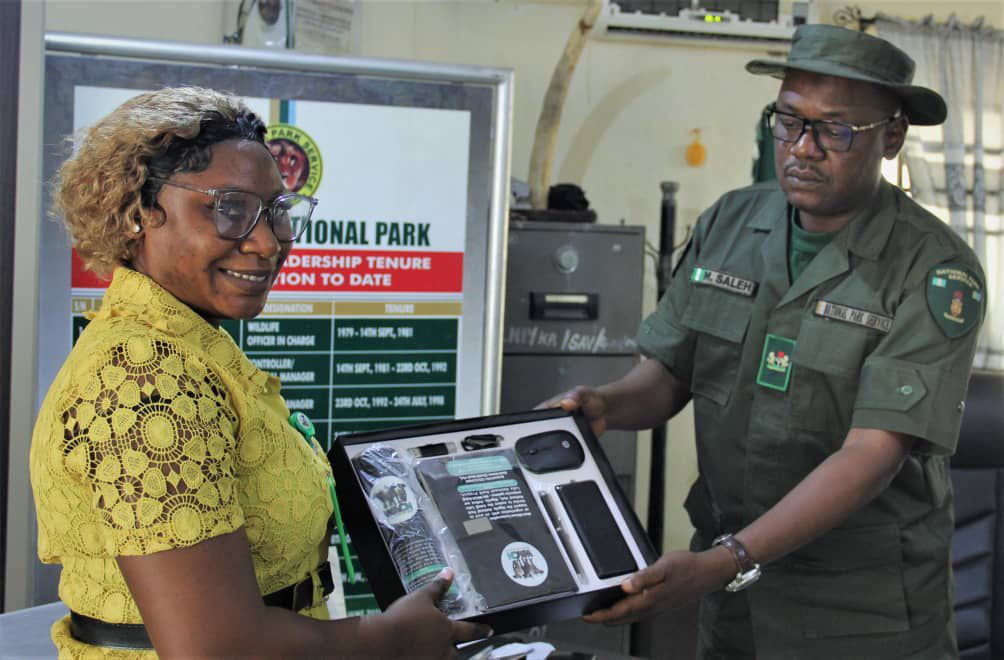
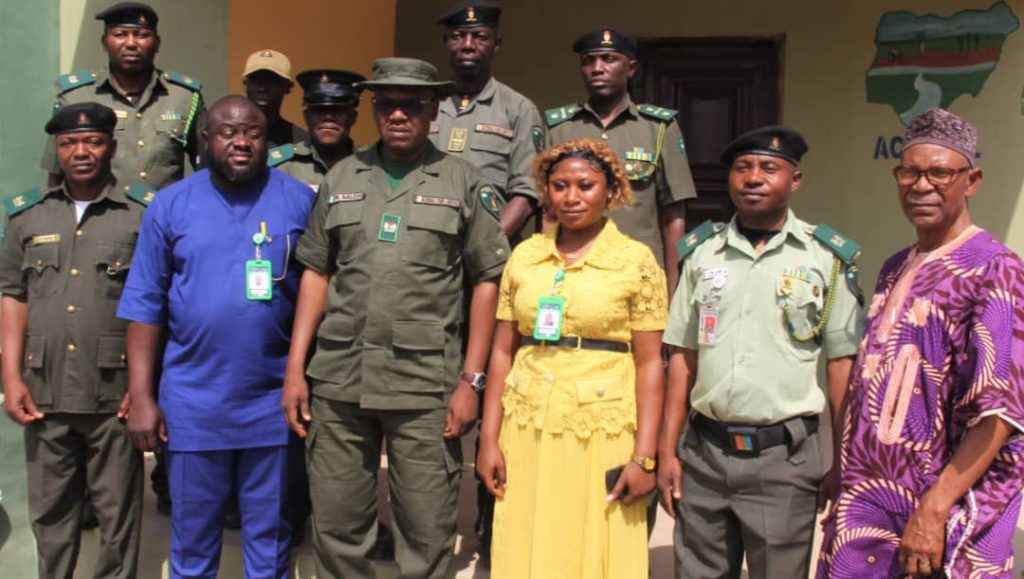
Patience Ashiba is the Project Manager for the West African Conservation Network (WACN) Kainji Lake National Park Project, where she supports on-the-ground coordination of conservation activities, stakeholder engagement, and project implementation across the Borgu and Zugurma sectors of the park.
She is a trained Veterinary Technician with an HND in Veterinary Technology from the Federal College of Animal Health and Production Technology, Vom, Plateau State, where she graduated as the Most Outstanding Student. Her technical background provides a strong foundation in animal health, field operations, and ecological monitoring within protected area contexts.
Patience has hands-on experience working in some of Nigeria’s most important protected areas, including prior service as a Research Assistant at Gashaka Gumti National Park, where she contributed to conservation education, park protection activities, and community engagement during her national service year. She has also worked in veterinary clinical settings, supporting animal health management and disease surveillance.
In addition to her project management role, Patience contributes to fundraising and partnership development for the Kainji Lake National Park project, helping to mobilise support for protected area recovery, ranger operations, and long-term conservation investment.
Her professional interests include wildlife conservation (with a particular interest in wild cats), biodiversity protection, and climate change. She combines technical competence with strong communication and organisational skills, and is committed to strengthening conservation capacity and institutional effectiveness within Nigeria’s protected area system.